-
- SINFT
- 2024-04-04 19:14:16
Surface filtration refers to a process integral to large machinery, where filters are essential components within various fluid flow systems such as air, lubricants, and fuel. These filters play a crucial role in effectively removing contaminants, necessitating the use of filtering media to capture unwanted particles.
Filter elements are composed of diverse materials like cellulose, polymers, and fiberglass, chosen based on their intended application. For instance, paper filters are commonly used in filtering lubricants in combustion engines, while glass microfiber is prevalent in microfiltration processes.
In essence, filtration involves passing a liquid or gas through a porous material to eliminate suspended solids. Surface filtration specifically targets particles by employing a filter medium whose thickness matches the size of the particles to be extracted, thereby trapping them on the filter surface. This type of filtration is frequently observed in air filters.
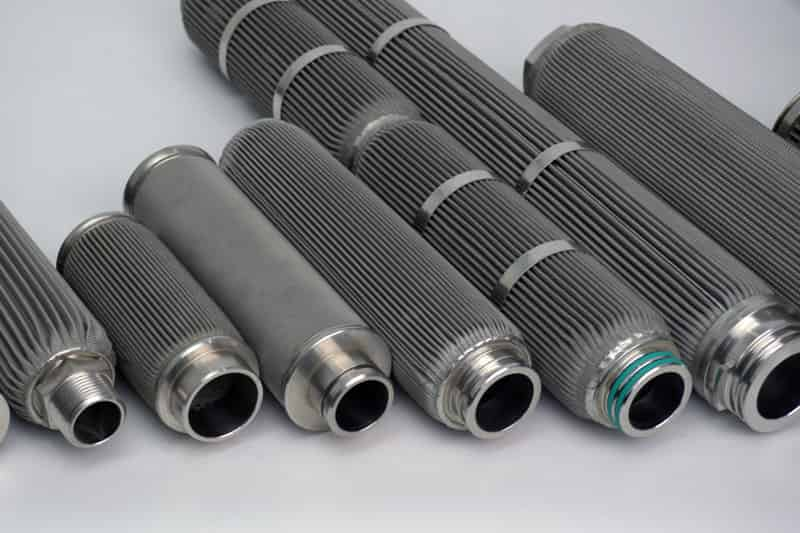
Another example of surface filtration is sieving, where particles accumulate on the surface, forming a cake that allows smaller particles to pass through the filter network. Various formats of surface filters exist, each tailored to specific filtration needs.
-
-
-
-
-
-
- Click for More