-
- SINFT
- 2024-04-21 11:24:03
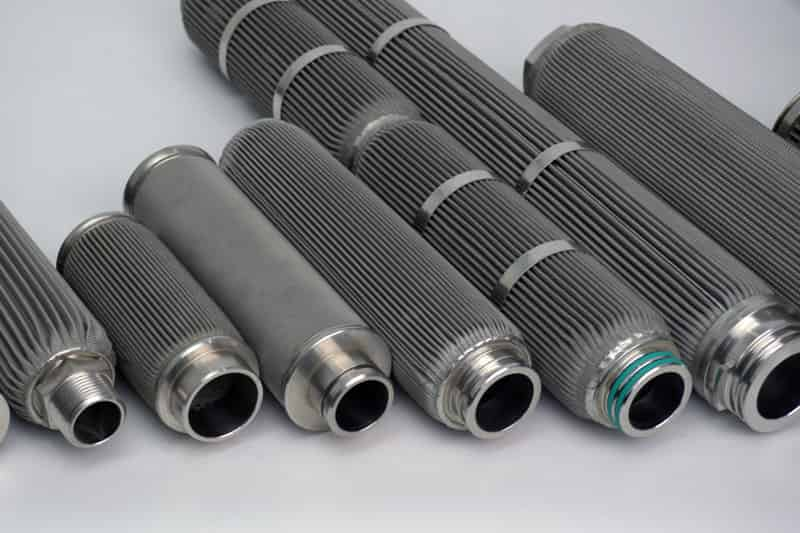
When it comes to metal mesh filter cores, improving filtration efficiency is a crucial topic. Similar to depth filtration technology, metal mesh filter cores can be enhanced in several ways to improve their filtration efficiency. Here are some potential methods:
-
Increasing Layering: Like depth filters, adding layers to metal mesh filter cores can effectively enhance their filtration efficiency. By adding more layers, the core can capture any particles that pass through the surface layers and trap smaller particles at deeper levels.
-
Optimizing Pore Size: Adjusting the pore size of the metal mesh can make it finer, thus more effectively capturing tiny particles. This can be achieved by adjusting the weaving pattern of the metal mesh or increasing/decreasing the number of metal wires during manufacturing.
-
Designing Multi-Layered Structures: Modern metal mesh filter core designs often utilize multi-layered structures, interlacing coarse metal mesh with finer ones. This design concept is similar to depth filters, where larger particles are captured on the surface while finer particles are trapped at deeper levels.
-
Considering Pressure Differential: Although increasing layering or optimizing pore size can improve filtration efficiency, it may also lead to an increase in pressure differential across the core. Therefore, when designing metal mesh filter cores, it's important to balance filtration efficiency with core lifespan to avoid premature replacements.
In conclusion, enhancing filtration efficiency in metal mesh filter cores is similar to depth filters, focusing on optimizing structure, layering, and pore size, while considering the impact of pressure differential during the design process to achieve optimal filtration performance and longevity.
-
-
-
-
-
-
- Click for More