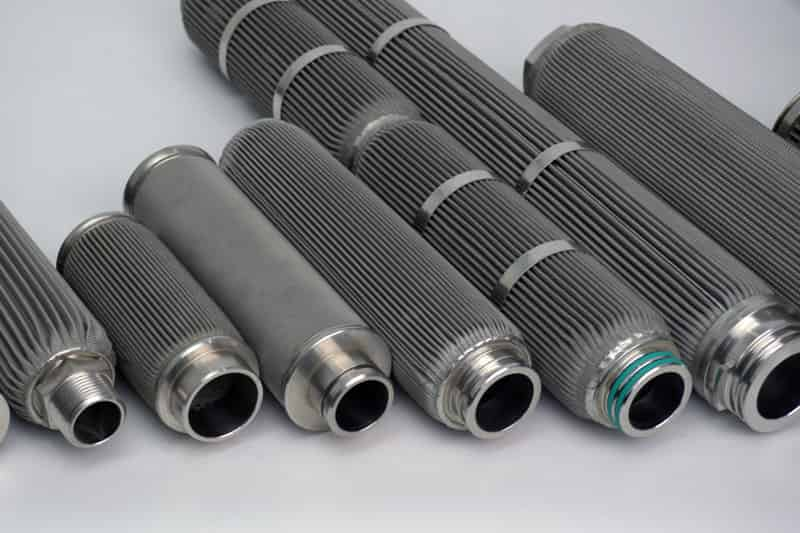
In today's world, air quality has become a major concern due to increasing pollution levels and the growing awareness of health-related issues caused by airborne contaminants. Activated carbon filters have emerged as a key technology in air purification, offering an effective solution for removing pollutants such as dust, pollen, smoke, and odors. As industries and households seek cleaner air, the demand for activated carbon filters is expected to grow significantly in the coming years.
Rising Demand for Clean Air
With urbanization and industrial expansion, air pollution has become a pressing issue worldwide. Poor air quality contributes to respiratory diseases, allergies, and other health problems, making air purifiers with activated carbon filters essential for homes, offices, and industrial spaces. The increasing awareness of the impact of indoor air pollution has driven consumers to invest in high-quality filtration solutions, fueling the expansion of the activated carbon filter market.
Technological Advancements in Filtration
Innovations in activated carbon filtration technology are enhancing its effectiveness and efficiency. Advances in material science have led to the development of activated carbon with improved adsorption capacity, allowing filters to capture a wider range of pollutants, including volatile organic compounds (VOCs) and harmful gases. Additionally, integration with HEPA filters and smart air purification systems further improves air quality control, making activated carbon filters more versatile and effective.
Expanding Industrial Applications
Beyond residential and office settings, activated carbon filters are increasingly used in industrial and commercial applications. Sectors such as healthcare, manufacturing, and hospitality require high-quality air filtration to maintain clean environments and comply with regulatory standards. The food and beverage industry also relies on activated carbon filters for odor control and air purification in production facilities, further driving demand.
Sustainability and Environmental Considerations
As global environmental concerns grow, sustainable solutions in air filtration are becoming a priority. Activated carbon filters are being developed using eco-friendly materials and renewable resources to reduce their environmental footprint. Additionally, advancements in regeneration and recycling techniques are extending the lifespan of these filters, making them a more sustainable choice for long-term use.
Market Growth and Future Outlook
The activated carbon filter market is poised for steady growth, driven by increasing consumer awareness, technological advancements, and expanding industrial applications. With stricter air quality regulations and rising concerns about environmental sustainability, the adoption of activated carbon filtration is expected to accelerate. Companies investing in research and development will play a crucial role in shaping the future of air purification, ensuring that activated carbon filters continue to evolve as a reliable solution for clean and healthy air.
In conclusion, the future of activated carbon filters is bright, with ongoing innovations and expanding applications driving market growth. As the demand for cleaner air continues to rise, activated carbon filtration technology will remain a crucial component of modern air purification systems, helping to create healthier indoor and industrial environments worldwide.