-
- SINFT
- 2025-05-24 00:29:32
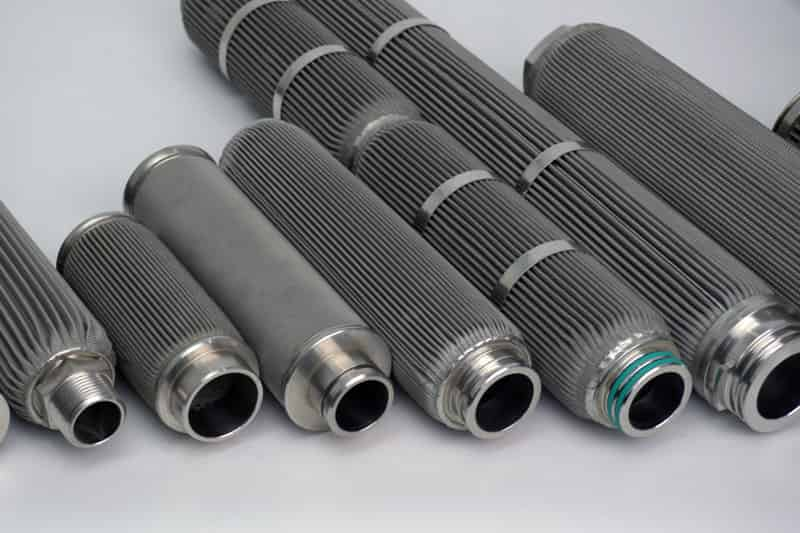
In industrial systems such as hydraulics, pneumatics, lubrication, and fluid handling, the filter element is critical to ensuring operational stability and equipment longevity. As users increasingly focus on cost control and maintenance efficiency, cross-reference filter elements are emerging as a strategic solution to balance performance and cost.

1. What Are Cross-Reference Filter Elements?
Cross-reference filter elements are performance-equivalent or enhanced replacements developed based on the specifications of OEM (original equipment manufacturer) filters. These alternatives are designed to match or exceed original performance while being fully compatible with existing systems.
For example, an OEM hydraulic filter "HC9600FKS13H" can be cross-referenced to our model "SFT-HC9600FKS13H", offering identical filtration precision, flow rate, pressure drop, and media compatibility.
2. Advantages of Cross-Reference Filter Elements
● Cost Savings
With comparable or better performance, cross-reference filters are generally more affordable than OEM parts, significantly reducing maintenance costs.● Faster Delivery
OEM filters may face long lead times and stock issues. Cross-reference suppliers often deliver more quickly through in-house production and data matching.● Enhanced System Efficiency
High-quality replacements using advanced filter media (e.g., metal fiber felt or glass fiber composites) can improve filtration efficiency and dirt-holding capacity beyond OEM standards.● Broader Application Compatibility
Cross-reference filters can be customized to meet the specific requirements of various fluids (hydraulic oil, lube oil, fuel, gas, water) and operating pressures.
3. How to Choose the Right Cross-Reference Filter?
Verify the Original Filter Specs
Include filtration rating, pressure capacity, flow requirement, connection type, and media composition.
Partner with Qualified Manufacturers
Choose suppliers with R&D capacity, manufacturing precision, and third-party testing capabilities for long-term reliability.
Conduct On-Site Testing
Start with small-scale trials to ensure the filter performs well under actual system conditions.
-
-
-
-
-
-
- Click for More